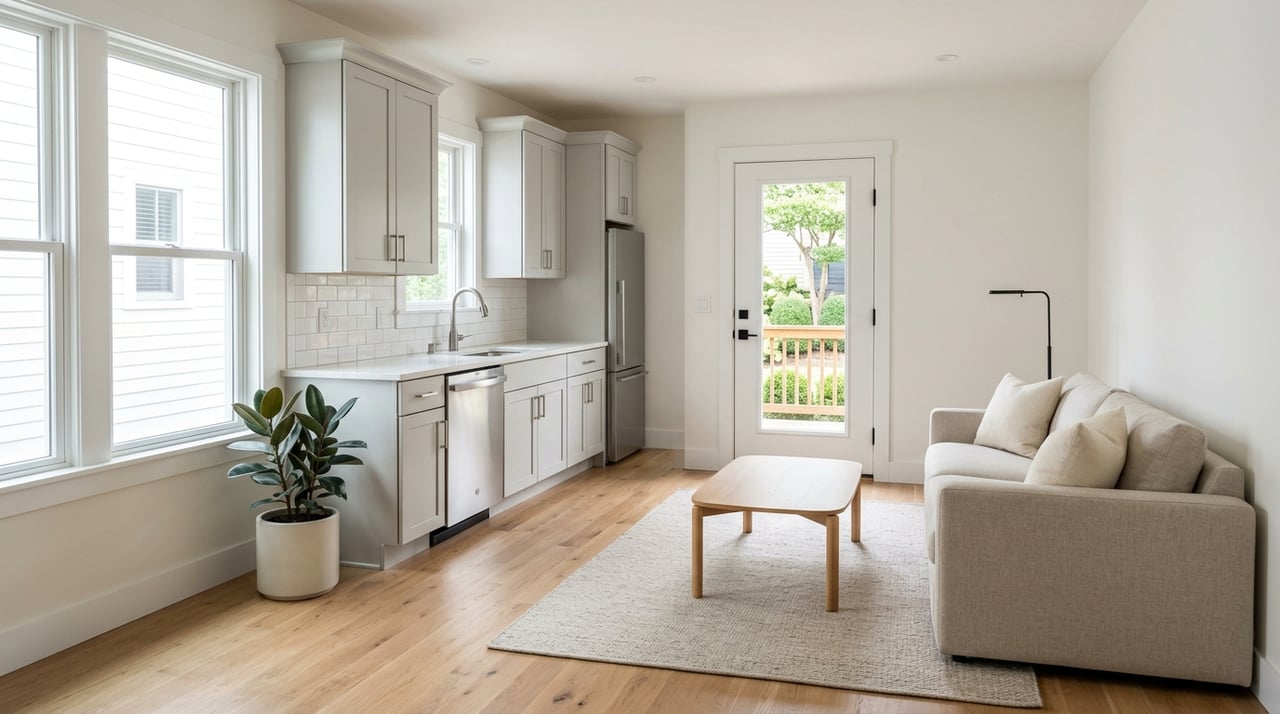
If your home feels bigger, harder, or more expensive to manage than it used to, you are not alone. Many homeowners in Cumberland reach a point where extra rooms, stairs, yard work, and upkeep stop feeling useful and start feeling like a burden. Downsizing can be a smart way to simplify daily life, lower housing costs, and move into a home that better fits your current needs. Let’s take a closer look at when downsizing makes sense in Cumberland, MD.
Why Downsizing Comes Up
Downsizing is often tied to a life change. Retirement, an empty nest, health changes, or a tighter monthly budget can all shift what you need from your home.
For many people, the goal is not just less square footage. It is less maintenance, fewer recurring costs, and a layout that feels easier to live in day to day.
That idea fits Cumberland in a very real way. The city had about 18,799 residents in 2025, a median age of 41.5, and 23.7% of residents were age 65 or older, according to Maryland ACS data. The same data shows 37.4% of households include at least one person age 65 or older, which means many local households are likely weighing whether their current home still fits their lifestyle.
Signs Your Current Home No Longer Fits
Sometimes the need to downsize is obvious. Other times, it shows up in small frustrations that keep adding up.
You may be ready to explore a smaller home if:
- You use only part of your house on a regular basis
- Stairs have become harder to manage
- Yard work or snow removal feels overwhelming
- Utility bills and upkeep costs are eating into your budget
- You want less clutter and fewer rooms to maintain
- You would rather spend time enjoying life than managing the house
In Cumberland, this decision is often about practicality. Maryland ACS data shows 87.9% of residents age 1 and older lived in the same house a year earlier, which suggests many people stay put for long stretches. If you have been in your home for years, it makes sense to stop and ask whether it still supports the way you live now.
Why Cumberland Is Relevant for Downsizers
Cumberland has a housing mix that gives downsizers more than one path. It is not a market made up only of large detached homes.
Maryland ACS data for 2019 to 2023 shows Cumberland had 10,355 housing units. Of those, 60.0% were detached single-family homes, 9.7% were attached homes, 8.2% were in two-unit buildings, 5.7% were in three- or four-unit buildings, 5.3% were in five- to nine-unit buildings, 1.5% were in 10- to 19-unit buildings, and 9.6% were in buildings with 20 or more units.
That matters because smaller options do exist locally. The same report shows 16.7% of units have one bedroom and 20.8% have two bedrooms, which can appeal to homeowners who want a simpler footprint without leaving the area.
Smaller Does Not Always Mean Simpler
One important local reality is that much of Cumberland’s housing stock is older. Maryland ACS data shows 47.7% of housing units were built in 1939 or earlier.
The City of Cumberland’s 2025 to 2029 Consolidated Plan says about 90% of buildings were built before 1980 and points to aging housing stock, high rehabilitation costs, and historic preservation requirements as major barriers. So while you may find a smaller home, that home may still need repairs, updates, or ongoing maintenance.
That is why downsizing in Cumberland is rarely just about square footage. It is also about condition, accessibility, stairs, lot size, and how much work you want the property to require over time.
Financial Reasons Downsizing May Make Sense
For some homeowners, downsizing starts with lifestyle. For others, it starts with the monthly numbers.
Local cost data helps explain why a smaller home can be appealing. Maryland ACS data shows median monthly owner costs are $1,164 for homes with a mortgage and $504 for homes without a mortgage. Median gross rent is $728, and median household income in Cumberland is $47,819.
If your current home comes with higher utility bills, repair needs, or upkeep costs, a move to a smaller property may help create more breathing room. Consumer guidance cited in the research also notes that downsizing is often part of a broader plan to reduce recurring expenses and protect your long-term lifestyle.
What Sellers Should Know in Cumberland
If you plan to sell a larger home and buy something smaller, timing and preparation matter. Cumberland’s market is not one where you should assume any home will sell quickly without work.
Research from Redfin for March 2026 shows a median sale price of $175,000 in Cumberland. Homes took a median of 96 days to sell, averaged about 4% below list price, and the market was described as somewhat competitive.
That means presentation, pricing, and condition can make a real difference. If your home is older, you may need to budget for repairs, code-related items, or updates before listing, especially since the city’s official housing plan identifies rehabilitation costs and permitting as meaningful local barriers.
Prep Steps Before Listing
If you are thinking about selling first, focus on the basics early:
- Declutter rooms you no longer use
- Address obvious deferred maintenance
- Gather records for major repairs or upgrades
- Think through what furniture and belongings you plan to keep
- Budget for moving costs and closing costs
Planning ahead can make the move feel less rushed. It can also help you understand what sale proceeds may realistically be available for your next home.
What Buyers Should Look For in a Smaller Home
When you downsize, the best home is not always the smallest one. The better question is whether the home will work for you comfortably over time.
In Cumberland, that often means looking beyond bedroom count. A one-story layout, fewer exterior maintenance demands, manageable storage, and a practical floor plan may matter more than shaving off every possible square foot.
Smart Features to Prioritize
As you compare options, it can help to focus on features like:
- Fewer or no stairs
- Smaller yard or lower exterior upkeep
- Updated systems or fewer immediate repair needs
- Main-level laundry or bedroom access
- Storage that fits what you are actually keeping
- A monthly payment and maintenance load that feel sustainable
The City of Cumberland’s housing plan also notes work with the Cumberland Housing Authority to increase accessible units for disabled persons and affordable housing options for very low-income households. That is useful context if accessibility is part of your housing decision.
Downsizing Is Also an Emotional Decision
Leaving a long-time home is not just a financial move. It can also be a very personal one.
AARP guidance referenced in the research highlights that downsizing usually requires early planning, sorting, and letting go of possessions that no longer fit your next chapter. That is especially true if you have spent many years in one place.
Give yourself time to make decisions in stages. Start with what you use, what you love, and what truly needs to move with you.
Questions to Ask Before You Move
Before you decide, take a step back and ask yourself:
- Am I using this home the way I thought I would?
- Do the costs still fit my goals?
- Is the upkeep manageable now and likely manageable a few years from now?
- Would a different layout make daily life easier?
- Do I want to stay in Cumberland but live in a home that asks less of me?
If those questions are pointing you toward change, downsizing may be less about giving something up and more about making room for a better fit.
Why Timing Matters
A successful downsizing move usually works best when you plan before the pressure builds. Waiting until repairs pile up, mobility changes become urgent, or the home feels overwhelming can make the process harder.
Starting early gives you more time to sort belongings, prepare your current home, study local options, and compare costs carefully. In a market like Cumberland, where many homes are older and condition matters, that extra planning time can pay off.
If you are weighing whether it is time to make a move in Cumberland, working with a local agent who understands older housing stock, pricing strategy, and practical tradeoffs can help you make a confident plan. To talk through your options, connect with Pamela A Terry.
FAQs
When does downsizing make sense for homeowners in Cumberland, MD?
- Downsizing often makes sense when your current home no longer fits your daily life because of upkeep, stairs, unused space, or monthly costs.
Are there smaller housing options in Cumberland, MD?
- Yes. Cumberland has a mix of detached homes, attached homes, two-unit properties, and multifamily buildings, and the local housing stock includes a noticeable share of one- and two-bedroom units.
Should Cumberland homeowners expect repairs before selling a larger home?
- Often, yes. Much of Cumberland’s housing stock is older, and the city’s housing plan identifies rehabilitation costs and aging buildings as important local issues.
Is downsizing in Cumberland only for retirees?
- No. Downsizing can also make sense after an empty-nest transition, a health change, or when you want lower housing costs and less day-to-day maintenance.
What costs should you budget for when downsizing in Cumberland, MD?
- You should plan for moving costs, closing costs, and possible repair or preparation expenses for your current home before listing.