If you are drawn to older homes, Hagerstown gives you more than a few scattered vintage properties. It offers whole streets, districts, and blocks where historic architecture still shapes the day-to-day feel of the neighborhood. If you are trying to decide whether a historic home fits your lifestyle, budget, and maintenance comfort level, this guide will help you understand what makes Hagerstown’s older housing stock stand out. Let’s dive in.
Why Hagerstown Stands Out
Hagerstown has a meaningful share of older housing. According to the 2020-2024 ACS, the city has 19,679 housing units, and 31.9% of them were built in 1939 or earlier. That gives buyers a real chance to find homes with historic details, not just the occasional older house tucked into a newer area.
The city’s housing mix also adds to its character. Detached single-family homes and attached single-family homes are both common, which helps explain why Hagerstown’s historic neighborhoods can feel very different from one another. Some areas read as more urban and compact, while others feel more open and residential.
That variety is tied to the city’s long history. Hagerstown’s original plat dates to 1762, and many older neighborhoods took shape during the period when railroads, manufacturing, and industry played a major role in the local economy. As a result, historic homes here often reflect 19th- and early-20th-century growth patterns rather than one single era or style.
How Neighborhood Character Changes
One of the biggest things buyers notice in Hagerstown is that historic character is not one-size-fits-all. The city identifies four local historic districts: Downtown, Oak Hill, Potomac-Broadway, and South Prospect Street. Each one has its own street rhythm, building types, and visual personality.
That matters when you start touring homes. Two properties may both be called historic, but one could sit close to the sidewalk near the downtown core, while another may be on a larger lot with deep setbacks and tree-lined streets. Understanding those differences can help you focus your search faster.
Downtown Sets the Urban Tone
Hagerstown’s downtown commercial core shapes how many nearby historic neighborhoods feel. The city describes downtown as a showcase of late-19th- and early-20th-century commercial architecture, including Italianate storefronts with bracketed cornices, Beaux Arts buildings, and simpler early-20th-century forms.
For you as a buyer, that means historic living in Hagerstown often connects to an urban backdrop. In some areas, the appeal is not just the house itself. It is also the experience of living near a long-established street grid, older commercial buildings, and a more traditional city layout.
Oak Hill Feels Planned and Spacious
Oak Hill is one of Hagerstown’s most clearly planned historic neighborhoods. City sources describe it as an early-to-mid-20th-century residential district with large lots, open space, deep setbacks, curving streets, and tree-lined boulevards.
The overall impression is more spacious than what many buyers expect from a historic district. Homes here are mainly Colonial or Georgian Revival, with Tudor Revival, Spanish, Dutch Colonial Revival, Foursquare, Queen Anne, and Arts and Crafts Bungalow examples mixed in. If you want historic character with a more open neighborhood pattern, Oak Hill is a strong example of that balance.
Potomac-Broadway Feels Layered
Potomac-Broadway works as a transition area between downtown and the more residential north end. It includes mansions, single-family houses, duplexes, apartments, and urban townhouses, with many buildings dating from 1870 to 1930.
This district stands out for its variety. Some larger homes sit back behind tree-shaded lawns, while townhouses line up closer to the sidewalk. If you like neighborhoods that feel visually mixed and architecturally layered, Potomac-Broadway offers that kind of street-by-street interest.
South Prospect Street Feels Distinct
South Prospect Street has one of the most recognizable historic streetscapes in the city. It is a tree-shaded avenue on a hill with more than 50 structures and early brick sidewalks, which gives the area a strong sense of continuity.
Its character comes from a broad mix of styles, including Neoclassical, Classical Revival, Gothic Revival, Italianate, Second Empire, and Queen Anne. Compared with nearby blocks, it tends to feel older, denser, and more architecturally layered.
City Park Adds Another Historic Pattern
City Park is a late-19th- and early-20th-century middle-class neighborhood with single-family homes, duplexes, and a few apartments. Common styles include Queen Anne, Colonial Revival, Foursquare, Tudor Revival, Spanish Colonial Revival, and Bungalow.
Because the park itself was designed as a formal public amenity, the surrounding streets often feel more planned and amenity-rich than a simple grid of older blocks. If you enjoy the idea of historic homes near a major public green space, this area shows how setting can shape neighborhood appeal.
What Historic Homes Look Like
Hagerstown’s historic homes do not all share one look. Across the city’s older neighborhoods, you will see a broad style vocabulary that includes Queen Anne, Italianate, Colonial Revival, Georgian Revival, Gothic Revival, Second Empire, Tudor Revival, Dutch Colonial Revival, Spanish Colonial Revival, Foursquare, and Bungalow forms.
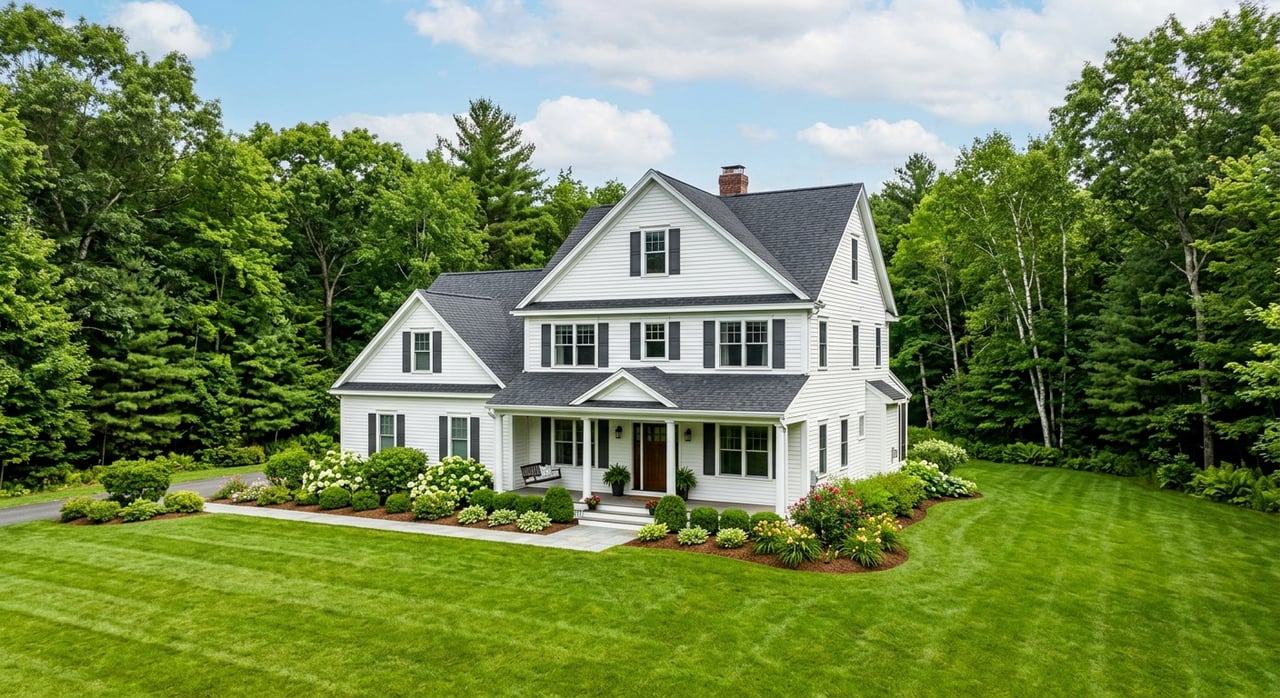
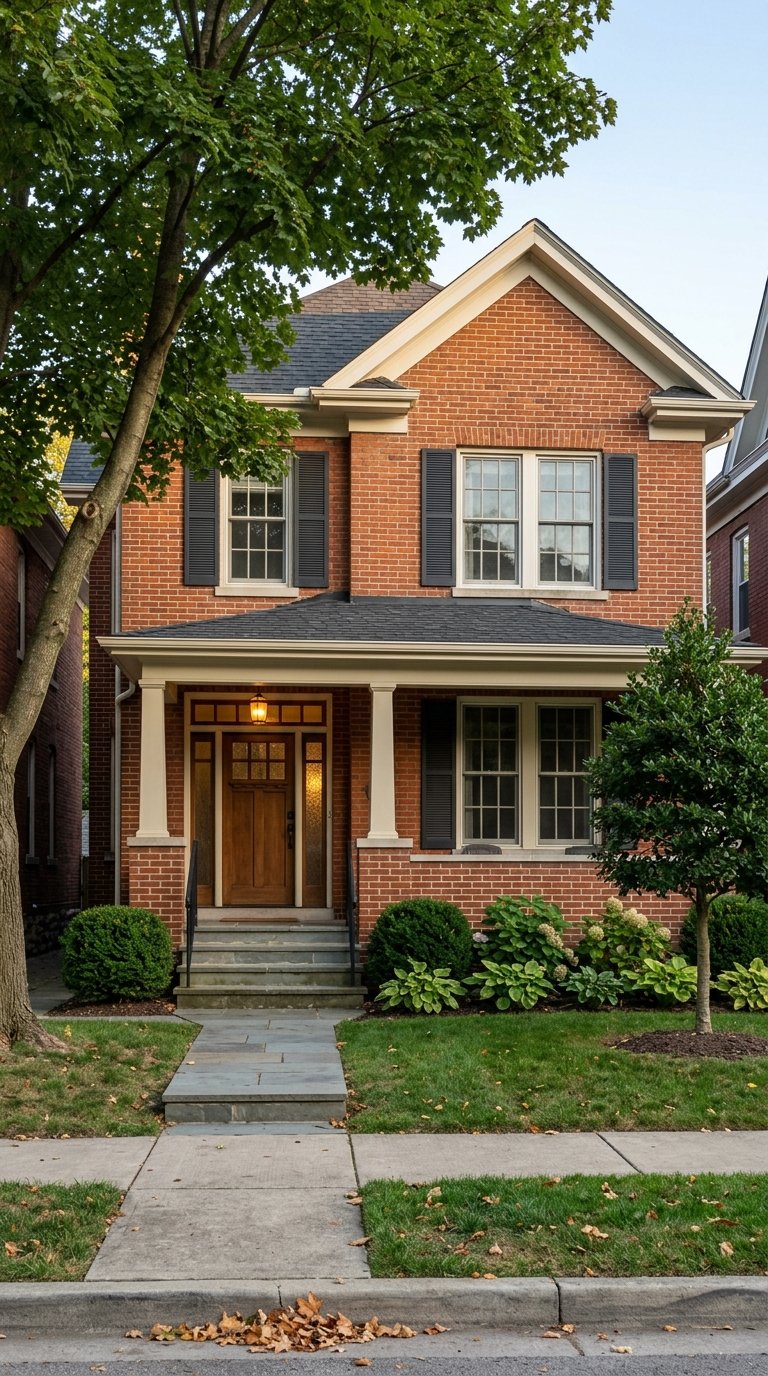
Even with that variety, certain features repeat often enough to become part of the city’s historic identity. Brick and masonry exteriors are common in several districts. Front porches show up again and again, especially on Queen Anne-era homes, and rooflines often feature dormers, gables, mansard forms, and other visually detailed elements.
Many historic homes are 2 to 2.5 stories tall. Some have been remodeled or adapted over time, but they still retain their original street presence. That mix of age, materials, and architectural detail is part of what makes these homes feel different from newer construction.
What Buyers Should Think About
Historic homes can be rewarding, but they usually ask more of you than a newer build. In Hagerstown, older homes often offer mature trees, varied streetscapes, and visible architectural detail. At the same time, they may require more hands-on maintenance and more thoughtful planning when you want to make exterior changes.
A practical way to evaluate fit is to think beyond charm. Ask yourself whether you enjoy older materials, ongoing upkeep, and the possibility of repair work that calls for care instead of a quick cosmetic fix. If the answer is yes, a historic home may feel worth the extra effort.
Common Upkeep Areas
In older Hagerstown neighborhoods, buyers often have questions about:
- Masonry and mortar condition
- Wooden windows and repair options
- Roof age and roof shape complexity
- Front porches and exterior trim
- Placement of modern systems like air-conditioning equipment
These are not reasons to avoid an older home. They are simply part of understanding what ownership can look like when historic features matter.
What Historic District Rules Mean
If a property is in a local historic district or landmark area, exterior changes to the building and its setting must be reviewed by Hagerstown’s Historic District Commission. The city says its guidelines are meant to guide, not dictate, alterations and new construction.
That distinction matters. Local designation does not mean you lose all flexibility, and the city states that designation does not dictate paint color or require exact in-kind replacement. The goal is to help preserve historic character while allowing reasonable change.
The city also notes that designation can open the door to county real-property tax credits and some state or federal rehabilitation incentives. Another important point for buyers is that National Register listing by itself does not impose restrictions on owners.
How To Know If A Historic Home Fits You
A historic home in Hagerstown can be a great fit if you value architectural detail, mature surroundings, and neighborhoods with a strong visual identity. It can also make sense if you are comfortable taking a long-term view of maintenance and improvement.
You may be especially well matched to this type of property if you like features such as front porches, masonry exteriors, older street patterns, and homes that do not all look the same. On the other hand, if your top priority is minimal upkeep or simple exterior renovation, a newer home may feel easier.
The key is matching the home to your lifestyle, not just your taste. Historic character is easiest to enjoy when you go in with clear expectations about maintenance, district review, and the real differences between one Hagerstown neighborhood and another.
If you want help comparing older homes, understanding neighborhood patterns, or deciding whether a historic property fits your goals, Pamela A Terry brings a practical, relationship-driven approach to helping you make a confident move.
FAQs
What makes Hagerstown historic homes different from newer homes?
- Hagerstown historic homes often feature older materials, front porches, masonry exteriors, detailed rooflines, and more varied architecture than newer homes.
Which Hagerstown neighborhoods are known for historic character?
- Hagerstown identifies four local historic districts: Downtown, Oak Hill, Potomac-Broadway, and South Prospect Street, and City Park is also recognized for its historic housing pattern.
What architectural styles are common in Hagerstown historic neighborhoods?
- Common styles include Queen Anne, Colonial Revival, Georgian Revival, Italianate, Gothic Revival, Second Empire, Tudor Revival, Dutch Colonial Revival, Foursquare, Bungalow, and Spanish Colonial Revival.
What should buyers expect when maintaining a historic home in Hagerstown?
- Buyers should expect to pay attention to items like masonry, mortar, windows, roofs, porches, and how modern systems are added without hiding or damaging historic features.
What happens if a home is in a Hagerstown local historic district?
- If a home is in a local historic district or landmark area, exterior changes to the building and its setting must be reviewed by the city’s Historic District Commission.
Does National Register status restrict Hagerstown homeowners?
- No. The city states that National Register listing by itself does not impose restrictions on owners.