Wondering why one home in Rawlings sells quickly while another sits and chases price cuts? In a market like Allegany County, the answer often starts with pricing, not luck. If you want to sell with fewer surprises and stronger negotiating power, it helps to understand what local numbers, recent sales, and your home’s condition are really saying. Let’s dive in.
Start With Allegany County Data
If you are pricing a home in Rawlings, Maryland statewide averages can point you in the wrong direction. In April 2026, the statewide median sale price was $436,000, but Allegany County’s median sale price was $181,750. That gap is a clear reminder that your pricing strategy should be built around Allegany County, not broad Maryland headlines.
The same April 2026 data showed 194 active listings in Allegany County, 3.6 months of inventory, and a median 35 days on market. In March 2026, the county median sale price was $175,000 with a median 38 days on market. At year-end 2025, the county median sale price was $158,000 and the median time to sell was 24 days, which suggests prices were firmer in spring 2026, but homes were taking longer to sell.
That matters because a stronger price environment does not mean every home can stretch above what buyers will support. It means buyers are still active, but they are comparing value carefully. Your goal is to launch at a price that makes sense for this market, not a price that needs repeated adjustments later.
Why Regional Averages Can Mislead
Western Maryland is not one uniform market. In the same April 2026 reporting, Washington County’s median sale price was $330,000, far above Allegany County. If you look too broadly at surrounding areas, you can end up with an asking price that does not match buyer expectations in Rawlings.
That is especially important in a smaller market. Allegany County had 50 closed sales in April 2026 and 668 sales in all of 2025. With a more modest transaction base, pricing should come from a close review of recent nearby sold properties, not one online estimate or a loose regional comparison.
Use Sold Comps, Not Guesswork
The strongest pricing strategy starts with recent sold comparable homes. Maryland’s Department of Assessments and Taxation explains that market value in the sales comparison approach comes from the sale price of comparable properties after adjusting for differences. It also notes that using more than one comparable sale gives a better picture because the market changes constantly.
For you as a seller, that means the question is not just, “What do I want to get?” The better question is, “What have similar homes actually sold for, and how does mine compare?” That is the foundation of a price a buyer, appraiser, and lender can all take seriously.
What Makes a Good Comparable
A good comp should be as similar to your home as possible in the details that affect value. According to the state’s framework, important factors include:
- Property type
- Number of stories
- Quality and overall condition
- Year built
- Enclosed living area
- Land area
- Sale date
- Sale price
In practical terms for a Rawlings home, that often means looking beyond bedroom and bathroom count. Lot size, acreage, garage space, outbuildings, finished basement area, and overall upkeep can all change value.
When Rawlings Comps Are Limited
In a smaller place like Rawlings, you may not always have a long list of recent sales on the same street or in the same immediate area. In that case, expanding the search to similar nearby sales in Allegany County can help build a more reliable pricing picture. The key is to stay focused on homes that match your property in ways buyers actually care about.
Don’t Let Tax Assessment Set Your Price
Many homeowners check their property assessment and treat it like a pricing target. That can be a mistake. Maryland’s Department of Assessments and Taxation notes that assessed values are based as of January 1, while market sales reflect what buyers actually paid on the date of sale.
That timing difference matters. If the market has shifted, even by a few months, your assessment may not reflect what today’s buyers are willing to pay. It can be a useful reference point, but it should not replace a fresh review of recent sold comps.
Condition Can Change Value Fast
Your home’s condition has a direct effect on price. Maryland’s property disclosure form asks sellers about issues such as water supply, septic systems, heating and cooling, roof leaks, foundation concerns, basement moisture, structural defects, plumbing, electrical systems, permits for improvements, flood-zone status, and other material defects. Those are not minor details. They can shape buyer confidence, negotiation leverage, and financing.
If your home needs repairs or has deferred maintenance, buyers may not just offer less. In some cases, inspection or appraisal findings can create financing hurdles or repair requirements before closing. That means condition affects both value and how smoothly your sale can move forward.
Updates Matter, but Only If Buyers Value Them
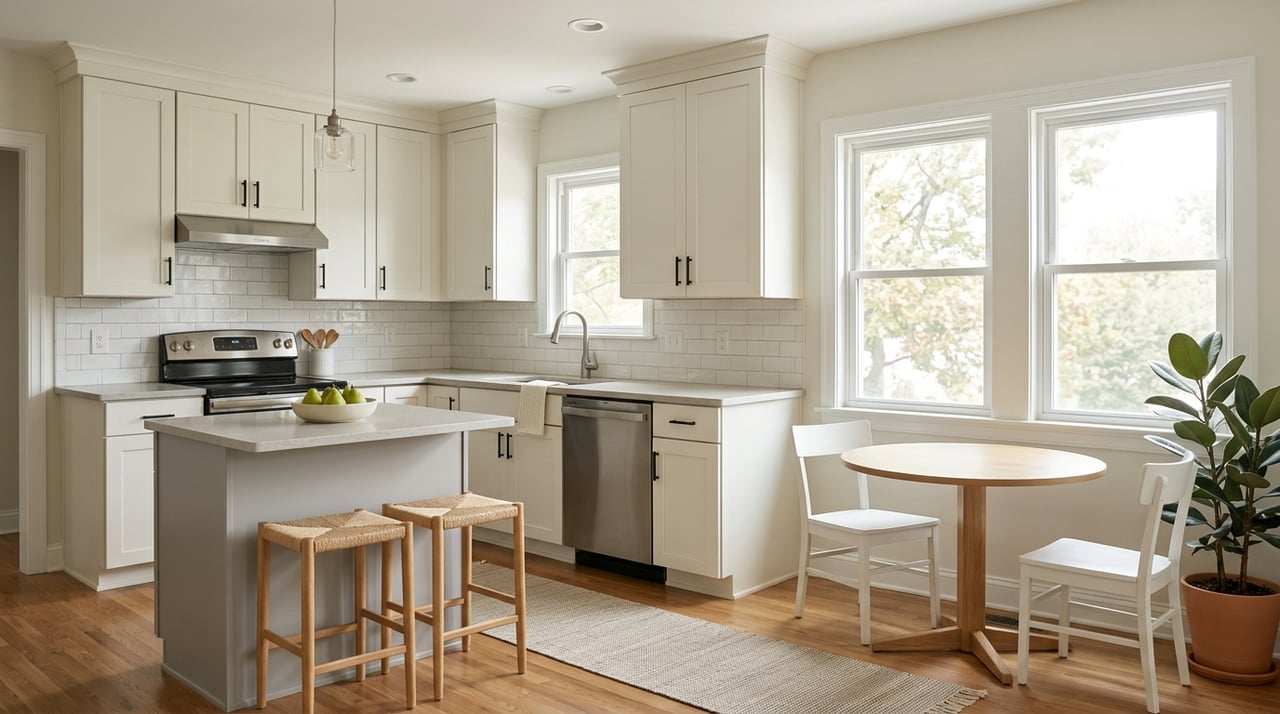
It is easy to assume every improvement adds dollar-for-dollar value. In reality, the market decides what an update is worth. A refreshed kitchen, new flooring, or system upgrade may help your home stand out, but the best way to measure the impact is by comparing your home with sold properties in similar condition.
This is where pricing gets nuanced. A home with solid maintenance and functional updates may deserve a stronger number than a similar home in dated condition. But if the local sales do not show buyers paying a major premium for those features, overpricing can still backfire.
Online Estimates, CMAs, and Appraisals Are Different
If you have checked a home value website, received a market estimate from an agent, and heard what a lender’s appraiser might say, you have probably noticed the numbers can vary. That is normal. These tools answer different questions and use different methods.
A lender appraisal is an independent written opinion of value that typically compares your home with similar recent sales in the area. A real estate agent’s market analysis is a human-prepared estimate built to help price the home for sale. An automated valuation model, or AVM, is a computer-generated estimate based on formulas and available data.
Why Different Values Happen
These estimates can disagree because they may use different comparable sales, different assumptions, or different effective dates. That does not always mean one is wrong. It means context matters.
Still, there is a practical lesson for sellers. If you price too far above what recent sold data supports, you increase the risk of appraisal issues later. That can lead to renegotiation, delays, or a contract that falls apart.
What a Smart Rawlings Pricing Process Looks Like
A strong pricing plan is usually straightforward, even if the details take care and experience. It starts with the evidence and then adjusts for what makes your property unique.
A practical pricing process often looks like this:
- Review recent sold comps in Rawlings and nearby Allegany County areas.
- Compare homes based on size, land, age, layout, condition, and utility features.
- Account for repairs, disclosure items, and any update-related value.
- Check the number against current market speed in Allegany County.
- Choose a list price that is competitive, defensible, and realistic.
That kind of approach helps you avoid the two biggest pricing mistakes: starting too high and leaving money on the table. The goal is not just to list. The goal is to launch at a price that gives you the best chance of attracting serious buyers.
The Real Goal: A Defensible Price
A successful Rawlings sale starts with a defensible price, not a wish price. In a market where buyers are active but still price-conscious, the strongest position comes from matching your asking price to recent sold evidence, your home’s true condition, and current Allegany County market pace.
That is where local experience matters. When your pricing is built from actual comps and a realistic review of your property, you are more likely to attract qualified interest, reduce unnecessary days on market, and protect your negotiating position from the start.
If you are thinking about selling in Rawlings, a customized valuation can give you a clearer next step. To get practical, local guidance backed by market data, connect with Pamela A Terry.
FAQs
How should I price my Rawlings MD home for today’s market?
- Start with recent sold comps in Rawlings and nearby Allegany County areas, then adjust for your home’s condition, size, land, and features rather than using statewide averages.
Why don’t Maryland home price averages help much in Rawlings?
- Allegany County’s median sale price in April 2026 was $181,750, while the statewide median was $436,000, so statewide numbers can make a Rawlings home seem worth more than the local market supports.
Does my Allegany County tax assessment tell me what list price to use?
- No. A tax assessment can be a reference point, but recent closed sales are more useful because assessed values are set as of January 1 and may not reflect current market conditions.
What features affect a Rawlings home’s value the most?
- Buyers and appraisers often look closely at living area, lot size, age, condition, garage or outbuilding utility, finished basement space, and how your home compares with similar recent sales.
Can repairs or disclosure issues lower my Rawlings home’s sale price?
- Yes. Known issues involving systems, moisture, structural concerns, roof leaks, permits, or other material defects can affect buyer demand, negotiations, and even financing requirements.
Are online home value estimates accurate for Rawlings MD homes?
- They can be a starting point, but they are not a substitute for a local market analysis built from recent sold comps and a review of your home’s specific features and condition.