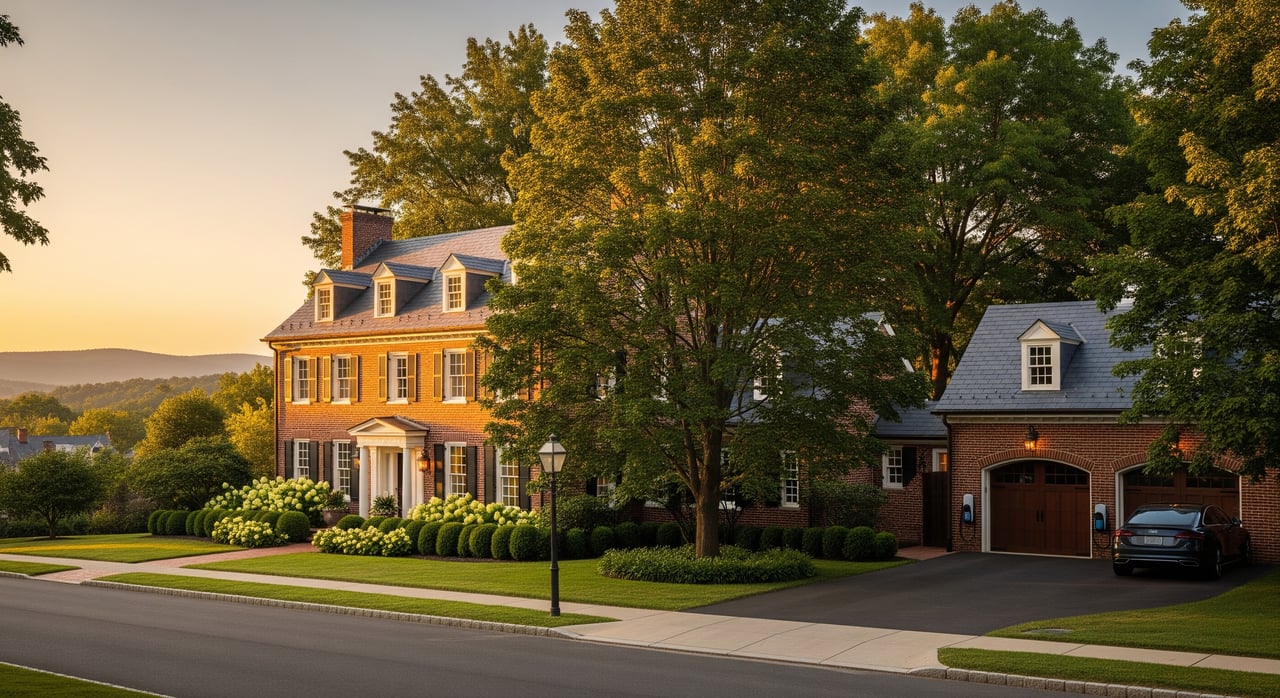
Thinking about more space and value without losing access to DC or Frederick? Hagerstown might be the sweet spot you are after. You get a smaller-city feel, historic charm, and newer suburban options, often at a lower price point than the I-270 corridor. In this guide, you will learn what housing looks like, how commuting works, and what daily life feels like so you can decide if Hagerstown fits your goals. Let’s dive in.
Why Hagerstown stands out
Hagerstown is the county seat of Washington County in western Maryland and a regional hub for shopping, healthcare, and the arts. It sits at the crossroads of I-70 and I-81, about 60 to 80 miles northwest of Washington, DC, depending on your route. Compared with Montgomery County and core DC suburbs, you will often find more home for your budget here. If you want a mix of historic character, suburban convenience, and regional access, Hagerstown delivers.
Housing in Hagerstown
Home types you will find
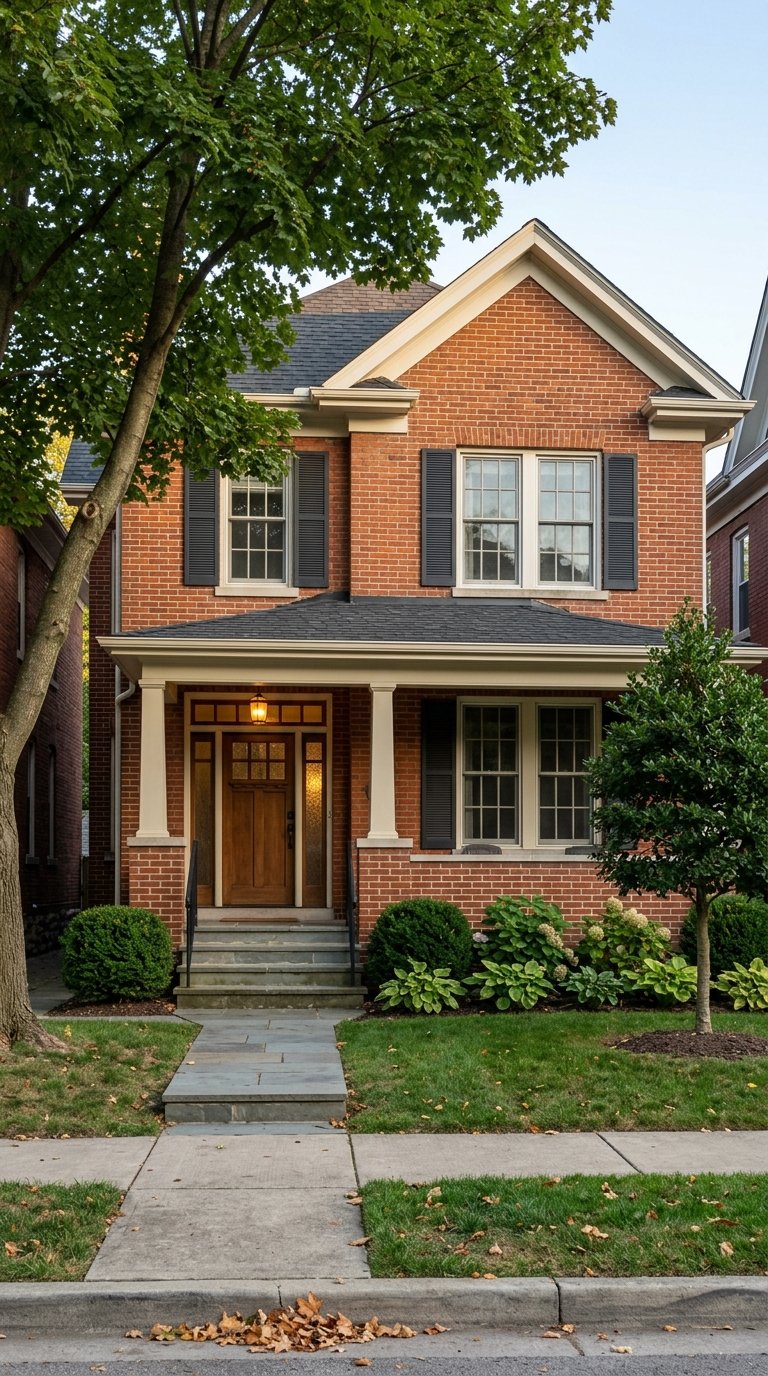
- Historic rowhomes and detached older homes near downtown, often with period details and mature trees.
- Mid-century bungalows and ranches in established neighborhoods outside the core.
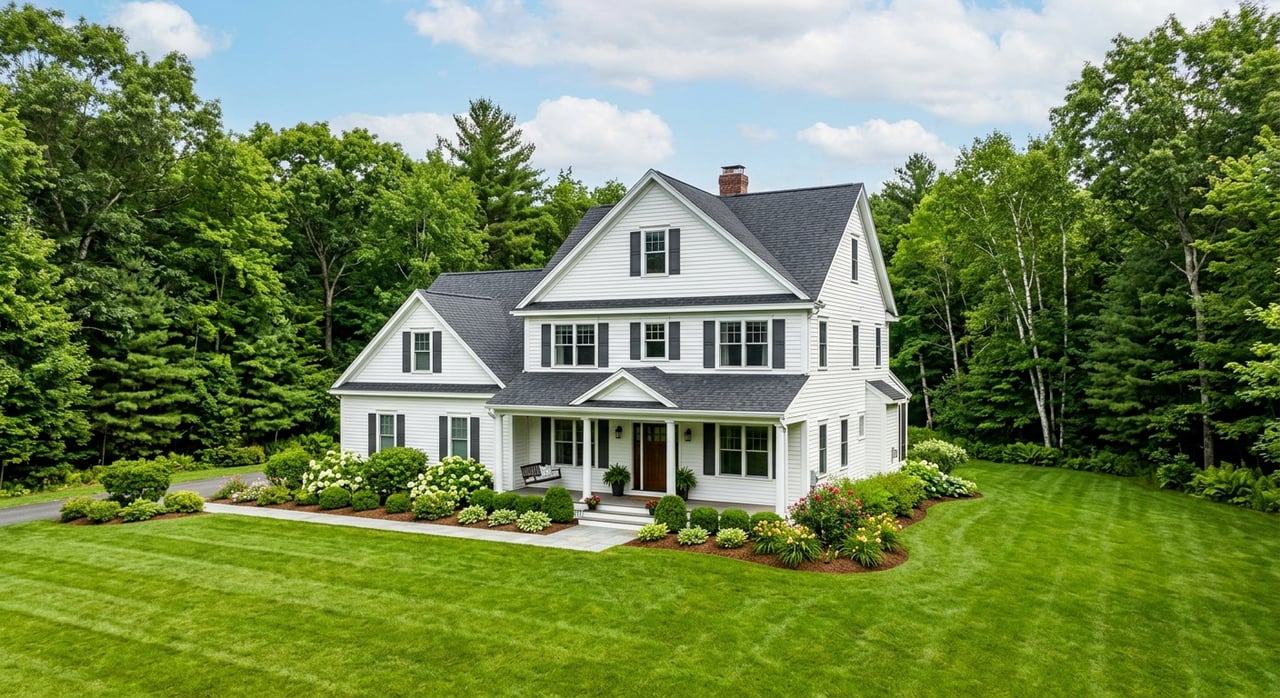
- Newer single-family homes in planned subdivisions across Washington County, sometimes with HOAs and larger lots.
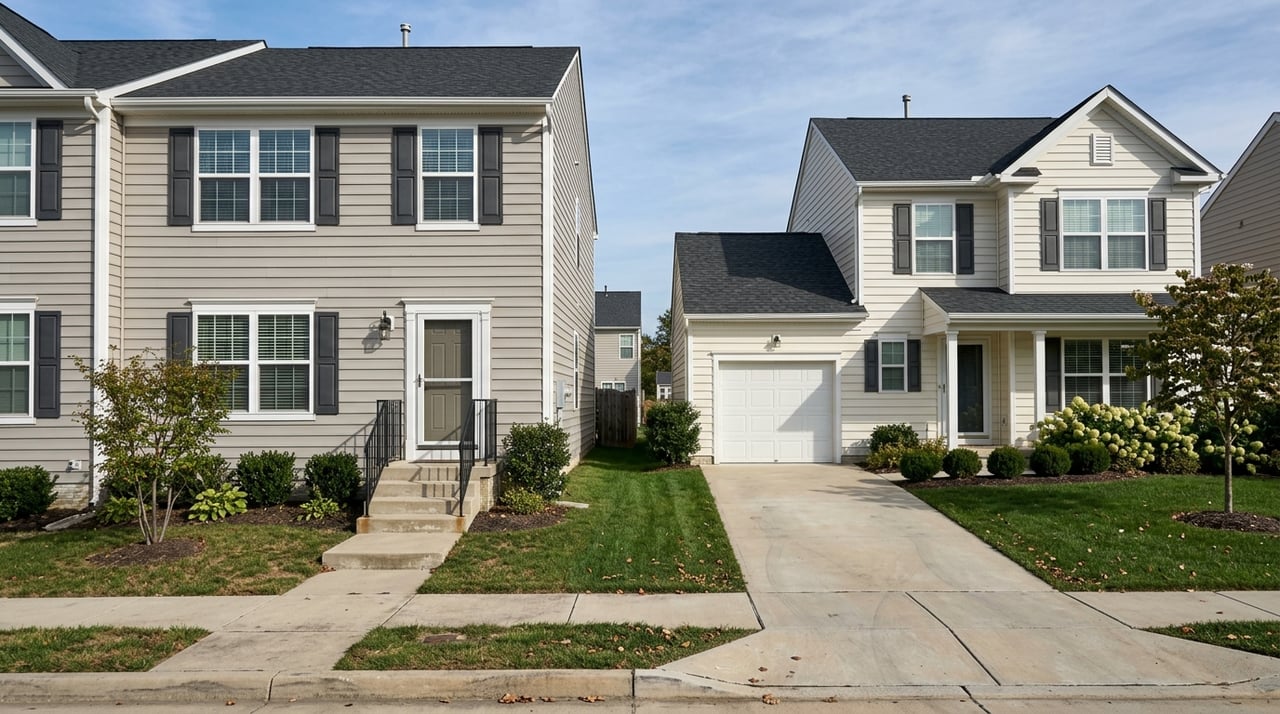
- Townhomes and small apartment buildings that work for first-time buyers, downsizers, or investors.
Affordability and market feel
Hagerstown typically trades at a discount compared with the I-270 corridor and Northern Virginia. That relative affordability is a major draw for buyers looking to stretch their budget. Like many markets, conditions shifted in 2023 and 2024 with higher mortgage rates and longer days on market in some areas. Renovated or historic homes can command premiums. If you want current numbers, check recent local market reports and note the date range.
Neighborhood snapshots
- Downtown Hagerstown. Walkable blocks with arts, dining, and older homes or condos near cultural venues and events.
- Near parks and schools. Established areas with a mix of older and newer homes and easy access to recreation.
- Suburban subdivisions. Outside city limits you will find newer homes, larger lots, and a commuter-friendly layout.
Safety and walkability vary by neighborhood. Plan visits at different times of day, review local crime maps, and talk with neighbors to get a clear picture.
Commute and getting around
Driving basics
Two major interstates, I-70 and I-81, make regional trips straightforward. Driving to Frederick is often about 25 to 35 minutes, depending on traffic. Getting to Washington, DC or the I-270 corridor can take 1.5 to 2 or more hours during peak times. Off-peak, you may see 60 to 90 minutes to many DC metro destinations. Always test your route during your typical commute hour.
Transit options
Washington County Transit runs local and regional bus routes within the county. Hagerstown does not have a major commuter rail hub for DC-bound service. If you plan to use MARC or Amtrak, you will drive to nearby stations and follow current schedules. Some intercity buses and shuttles serve the area, but service levels can change.
Who the commute fits
Many residents work locally in healthcare, education, manufacturing, logistics, retail, and public sector roles. Others choose Hagerstown for affordability and rely on hybrid schedules for longer DC or Baltimore commutes. If you can avoid rush hour several days a week, the tradeoff can make sense.
Community and lifestyle
Parks and outdoor access
City Park offers lakes, trails, and green space right in town. Within a short drive you can explore Antietam National Battlefield, the C&O Canal towpath, Catoctin Mountain Park, and state parks like Cunningham Falls and Greenbrier. The Appalachian Trail and other regional trails are close enough for day trips. You will also find local rail-to-trail paths for biking and running.
Arts, dining, and shopping
Downtown Hagerstown blends theaters, museums, coffee shops, and seasonal festivals. The Washington County Museum of Fine Arts hosts rotating exhibits and community programs. Retail spans local storefronts to regional draws like Hagerstown Premium Outlets and corridor shopping centers.
Schools and learning
Hagerstown is part of Washington County Public Schools. School performance varies by address, so review Maryland’s state report cards and visit schools to understand programs and boundaries. For higher education and workforce training, Hagerstown Community College and regional institutions offer accessible options.
Practical buying tips
Taxes and cost of living
Maryland uses state and local property taxes, and Washington County’s rates differ from neighboring counties. Estimate annual taxes on any home you are considering by checking county resources. Overall cost of living is often lower than the DC metro average, with housing as the biggest factor.
Inspections and renovation
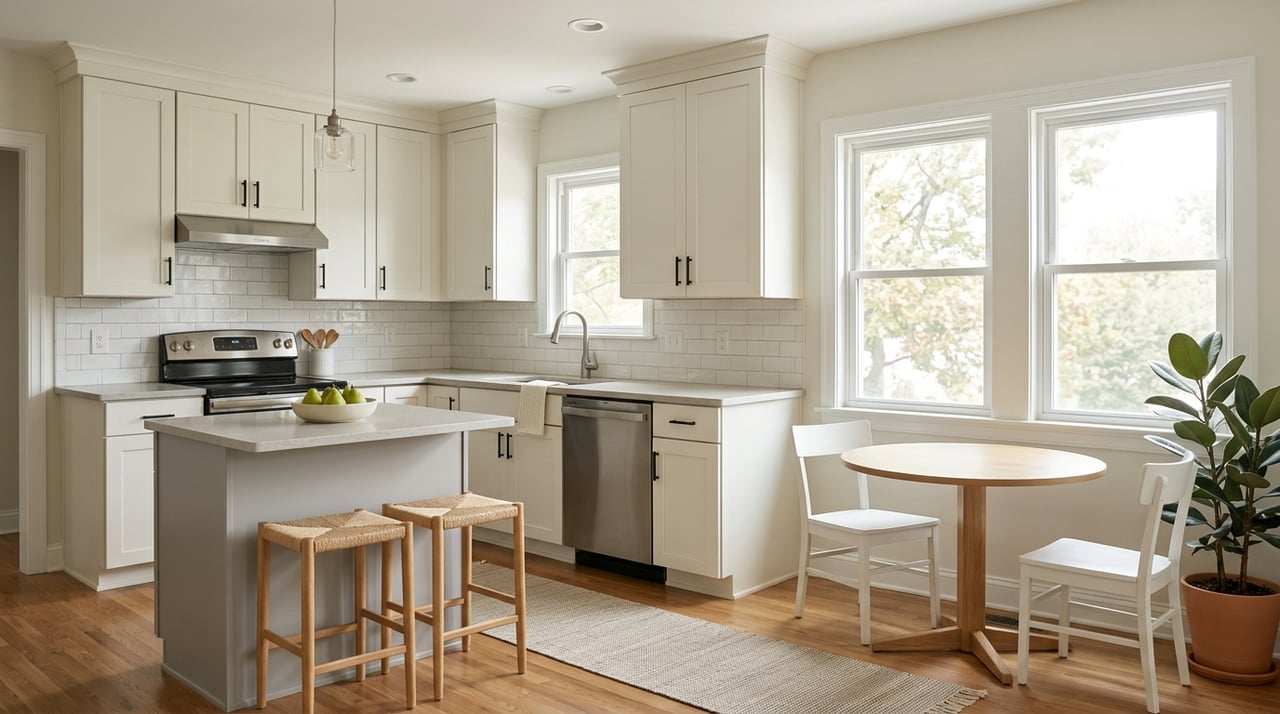
Older homes may need updates to electrical, HVAC, windows, insulation, and kitchens or baths. Winters can bring cold and snow, so review heating systems and weatherization. If you are near waterways like Antietam Creek or Conococheague Creek, confirm floodplain status and insurance requirements.
Out-of-area buyer checklist
- Tour at different times, including a weekday morning and evening.
- Test-drive your actual commute during peak hours.
- Review state school report cards and confirm school boundaries.
- Check local police resources and crime maps for neighborhoods of interest.
- Verify flood maps and insurance needs before you write an offer.
- Line up a local inspector and get contractor estimates if updates are likely.
- Work with a local agent who knows neighborhood nuances and market trends.
Is Hagerstown right for you?
If you want more space, character, and outdoor access at a lower price point, Hagerstown is worth a serious look. The biggest tradeoff for many buyers is commute time to DC or Baltimore, so your schedule and route matter. With clear expectations and local guidance, you can find strong value here. If you are ready to compare neighborhoods and narrow your search, connect with Pamela A Terry for local insight and next steps.
FAQs
Is Hagerstown a good commuter base for DC or Frederick?
- Many residents commute to Frederick in roughly 25 to 35 minutes, while DC or the I-270 corridor can run 1.5 to 2 or more hours during peak times, so hybrid schedules help.
What types of homes are common in Hagerstown?
- You will see historic rowhomes and older detached houses, mid-century bungalows and ranches, newer subdivisions with larger lots, and townhomes or small multifamily buildings.
How is public transportation in Hagerstown?
- Local buses serve the county, but there is no major DC-bound commuter rail hub in the city; you typically drive to nearby MARC or Amtrak stations for regional rail.
What should I know about schools in Hagerstown?
- Washington County Public Schools serve the area, and performance varies by school; review Maryland’s state report cards and visit campuses to assess fit.
What outdoor activities are nearby Hagerstown?
- City Park, Antietam National Battlefield, the C&O Canal towpath, Catoctin Mountain Park, and state parks like Cunningham Falls and Greenbrier offer easy day trips.
Are there safety differences across neighborhoods in Hagerstown?
- Safety varies by area; visit at different times and review local police crime maps to understand patterns before deciding on a neighborhood.
Do I need flood insurance in Hagerstown?
- It depends on the property; confirm FEMA floodplain status, especially near Antietam Creek or Conococheague Creek, and follow your lender’s requirements.