Looking for a little elbow room near Oldtown but not sure where to start? Buying land or a small acreage can feel exciting and uncertain at the same time. You want to avoid surprises, protect your budget, and end up with a parcel you can actually use. This guide walks you through the key checks in Allegany County so you can buy with confidence and a clear plan. Let’s dive in.
Why Oldtown land appeals
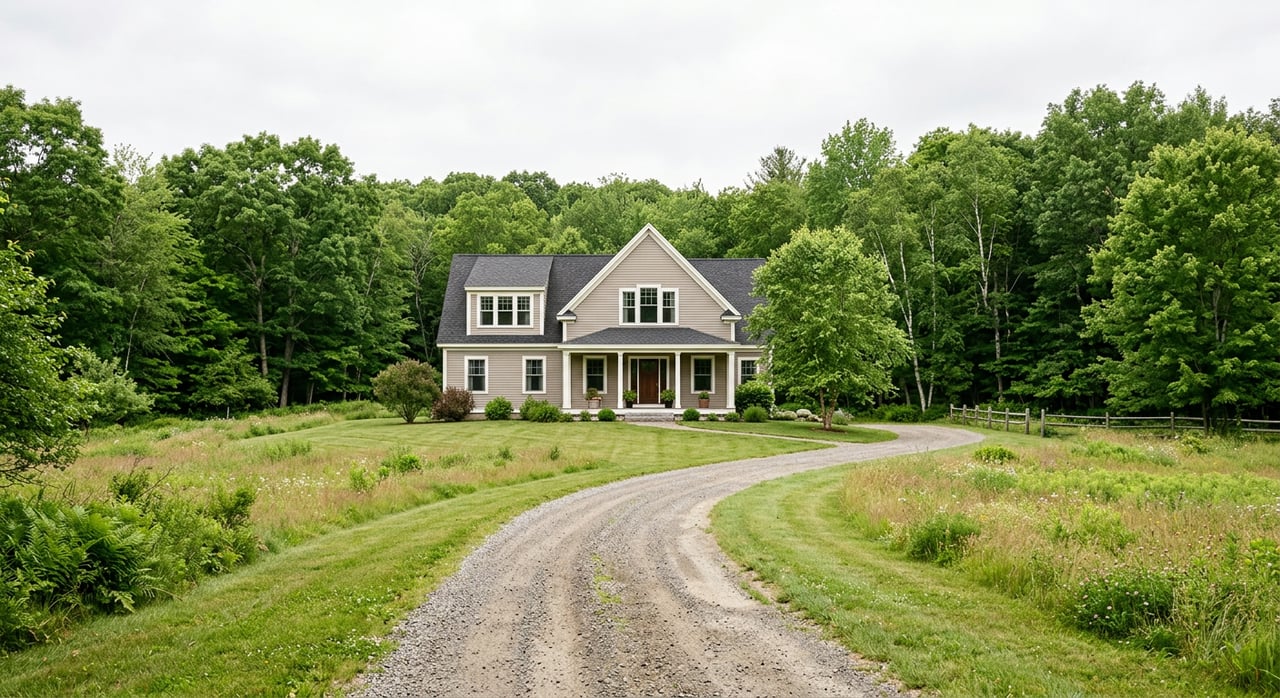
Oldtown sits along the North Branch Potomac River in rural Allegany County. Parcels here range from small residential lots to hobby farms and larger wooded tracts. County planning prioritizes rural character and maps things like floodplains, steep slopes, and water service areas. That makes early research important for every parcel you consider. You can review these big-picture factors in the county’s Comprehensive Plan.
Start with smart map checks
Before you visit a property, do a quick online sweep. These tools help you spot deal breakers and shape next steps.
Verify ownership and records
- Use the state’s SDAT Real Property search to confirm ownership, tax records, and deed references.
- Ask the listing agent for the recorded plat, deed, any recent survey, and any septic or well records.
Screen floodplains and wetlands
- Look up flood zones in the FEMA Flood Map Service Center. Flood zones affect building, insurance, and septic siting.
- Check the USFWS NWI Wetlands Mapper for mapped wetlands as a first screen. A formal delineation may still be needed if maps or topography suggest risk.
Review soils and slopes
- Use the NRCS Web Soil Survey to see soil drainage, bedrock, and general suitability. This is helpful for early septic and driveway planning.
- On sloped or low-lying land, plan for a professional soil and site evaluation during contingencies.
Confirm zoning and uses
Zoning controls what you can build and how you can use the land. Allegany County has urban and nonurban districts that govern housing, agriculture and forestry, accessory buildings, and some small-scale commercial uses. Review the county’s code and permitted-use table for your specific parcel in the zoning ordinance.
- Ask the county to verify the zoning district for the parcel and any overlays.
- If you plan hobby farming, animals, or an accessory building, confirm whether it is allowed by right or needs a special exception.
Check legal access and frontage
A property without clear, legal access can be very hard to use or finance. Confirm how you reach the land and whether the access is recorded.
- Determine if access is from a public road or via a recorded easement.
- Review the deed and plat for rights-of-way. If the access crosses a neighbor’s land, you need a recorded easement.
- Allegany County’s Minor Subdivision guidance highlights frontage requirements and notes about county road acceptance. See the county’s Minor Subdivision Checklist for specifics.
Water options: public or private well
Do not assume public water is available. In much of rural Allegany County, you will rely on a private well. County plans map existing or future service areas, but not all parcels will be eligible for connection.
- If no public water is present, you will need a permitted private well and a Certificate of Potability before it can serve a home. Maryland’s rules for private wells are outlined by MDE in the Residential Wells guidance.
- Allegany County Environmental Health issues well permits and collects water samples. Review local process and fees on the county’s Environmental Health page.
Septic basics: perc tests and system types
If the parcel does not have community sewer, you will need an approved on-site sewage disposal system. That starts with a county-performed percolation test.
- Allegany County Environmental Health conducts perc evaluations and septic permitting. See the process and fees on the Environmental Health page.
- Maryland’s technical standards for septic design and setbacks are in COMAR, which the county applies locally. You can review the rules here: COMAR onsite sewage regulations.
- Local subdivision guidance notes that lots relying on well and septic are typically at least 40,000 square feet and must show a minimum 10,000 square foot sewage disposal area on the plat. The county also identifies when a lot is “Residual/Non-Buildable” until it meets state and county standards. See the Minor Subdivision Checklist.
Environmental constraints to flag
- Floodplains can affect building elevations, insurance, and septic placement. Check FEMA early.
- Wetlands can trigger federal or state permits. Use NWI for screening, then hire a wetland professional if needed.
- Steep slopes and challenging soils often change driveway design, foundation type, and septic options. Plan for a site visit with your septic designer and surveyor.
Title, easements, and restrictions
Order a full title search and a current survey during your contingency period.
- Look for utility easements, pipeline corridors, ingress and egress rights-of-way, and any covenants that limit use.
- Confirm mineral reservations and any recorded conservation easements that would limit nonagricultural development.
- Use the SDAT property search to pull deed references before your title company’s full review.
Typical costs and timelines
Local fees are published by Allegany County Environmental Health, but always confirm current amounts before you budget.
- Example fees: conventional perc evaluation about 200 dollars, innovative or sand mound evaluation about 200 dollars, septic installation permit about 100 dollars, well permit about 125 dollars. See the county’s latest schedule on Environmental Health.
- Timing: perc tests are usually scheduled within a few weeks depending on season and staffing. Well drilling depends on driller availability and site geology. Septic design and review can add several weeks. Expect weeks to a few months from contract to final approvals if you are testing and permitting a new homesite.
- Building permits are issued locally and tie to land use approvals. Review the process with Allegany County’s Permits and Building office.
Step-by-step due diligence plan
Follow this sequence to reduce surprises and keep your contract on track.
- Run early screens: SDAT, FEMA flood map, NWI wetlands, and NRCS soils. Save maps and notes for your file.
- Confirm zoning: verify the parcel’s district and permitted uses in the county zoning ordinance. Ask the county for a written zoning verification if you plan anything beyond a single home or agricultural use.
- Confirm access: review deed and plat for frontage and easements. Use the county’s Minor Subdivision Checklist as a guide to frontage and road acceptance issues.
- Order a survey: request an existing plat or hire a local surveyor for a current boundary or ALTA survey if needed.
- Test for septic: write a contingency for a county-approved perc evaluation and septic design that fits your goals and budget.
- Plan your water source: if no public water is available, include a well permit and Certificate of Potability contingency. Review MDE’s Residential Wells guidance.
- Title review: obtain a title commitment and review exceptions for easements, covenants, mineral rights, or conserved land.
- Environmental checks: if maps suggest wetlands, steep slopes, or unusual conditions, bring in a wetland specialist or geotechnical professional.
- Permitting path: coordinate with county Planning, Environmental Health, and Building to align septic, well, and building approvals.
- Close with clarity: if driveway work, road improvements, or septic and well installations are required, set clear responsibilities, deadlines, and any needed escrows.
How your agent helps
Buying land is different from buying a house. A local, hands-on agent helps you connect the dots and keep momentum.
- Structures your offer with the right contingencies for access, survey, perc, well, and title.
- Coordinates with county staff, surveyors, septic designers, well drillers, and title so tasks happen in the right order.
- Provides data on land comps and practical advice on site planning, timelines, and budget.
If you are ready to explore land or small-acreage options near Oldtown, let’s talk through your goals and map a plan that fits your budget and timeline. Reach out to Pamela A Terry for local guidance from first screen to closing.
FAQs
What makes a parcel near Oldtown, MD buildable?
- A parcel is typically buildable if it has legal access, an approved septic area or community sewer option, and a feasible water source. Allegany County flags “Residual/Non-Buildable” lots until they meet state and county standards. See the county’s Minor Subdivision Checklist.
How do I check flood risk on Allegany County land?
- Use the FEMA Flood Map Service Center to look up a parcel by address or map panel. Flood zones can affect insurability, building elevation, and septic placement.
Who issues well and septic permits in Allegany County?
- The county’s Environmental Health Division issues well and septic permits and performs perc evaluations. Review process details and fees on Environmental Health, and see MDE’s Residential Wells guidance.
Do I need a perc test for a small acreage lot?
- Yes, if the property will use on-site sewage disposal. The county performs the percolation evaluation and applies Maryland’s technical standards in COMAR when approving system type, size, and setbacks.
Could I be required to connect to public water or sewer later?
- County subdivision guidance notes that if public water or sewer become available, properties may be required to connect and to abandon existing well or septic. Review the county’s Minor Subdivision Checklist and confirm with the county for your location.